JAMESTOWN FREEDOM PIONEERS
< JAMESTOWN FREEDOM PIONEERS >
Made possible in part by a grant from the VA250 Commission in partnership with Virginia Humanities
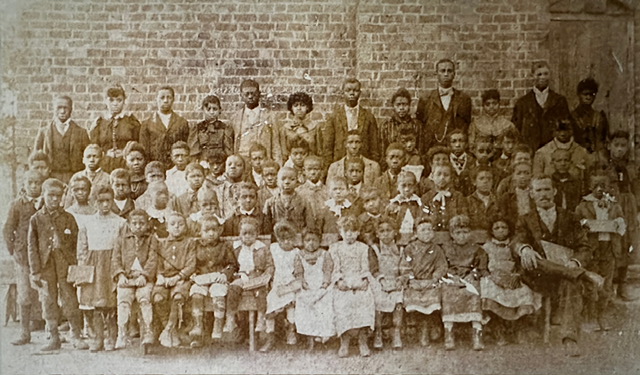
Pictured in the above photograph:
1st row (left to right): Allred, Percy Joyner, John or James Sapp, Junius Jackson, Bank Raper, Carrie Joyner, Cora Hobson, Lee, Mettie Pettiford, Lyde Pettiford, Dora Jackson
2nd row (left to right): Unknown, Fannie Fuller, Betty Joyner, Earne Allred, Unknown, John or James Sapp, Curtis Jackson, Charles Lindsay, Allred Boy, Lessly Joyner, Ed Pettiford, Edward Lindsay, Marvin Allred, Edward Hicks
3rd row (left to right): Unknown, Unknown, Arville Raper, Doug Jackson, Tallmage Jackson, Walter Fuller, Lee Raper, Ida Lindsay, Lee Ander Yowes, Osborn Giles, Unknown, Un-
known, Lee
4th row (left to right): Unknown, Unknown, Unknown, Elmer Yowes, Unknown, Lucy Fuller
5th row (left to right): Unknown, Berthie Pettiford, Unknown, Cora Pettiford, Wil Fuller, Leiser Cole, Ed Fuller, Belle Raper, Wil Raper, Pearle Giles, Unknown, Louise Sapp
Seated: Principal/teacher, Henry Beck from High Point, NC

WHO WERE THEY?
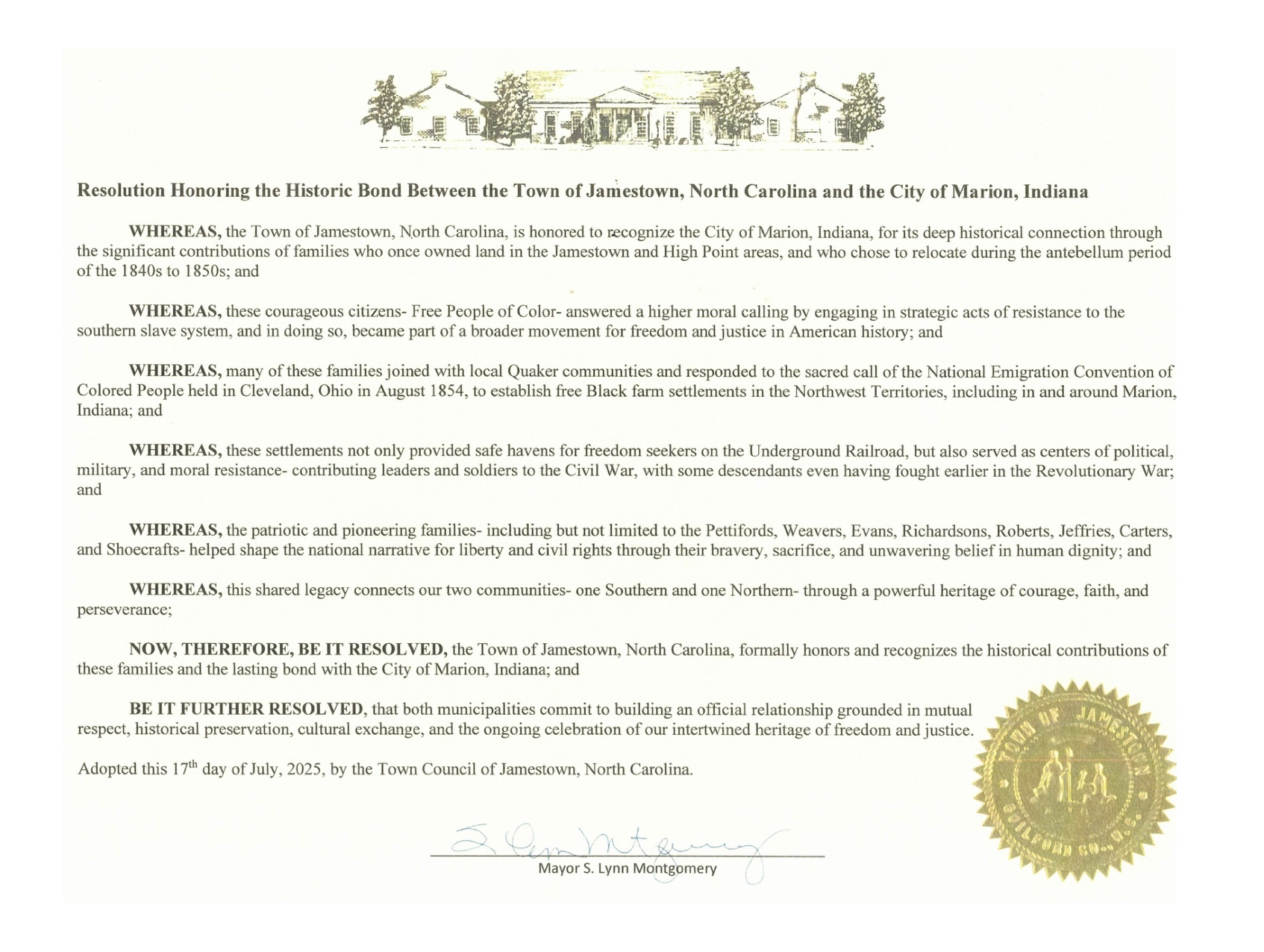
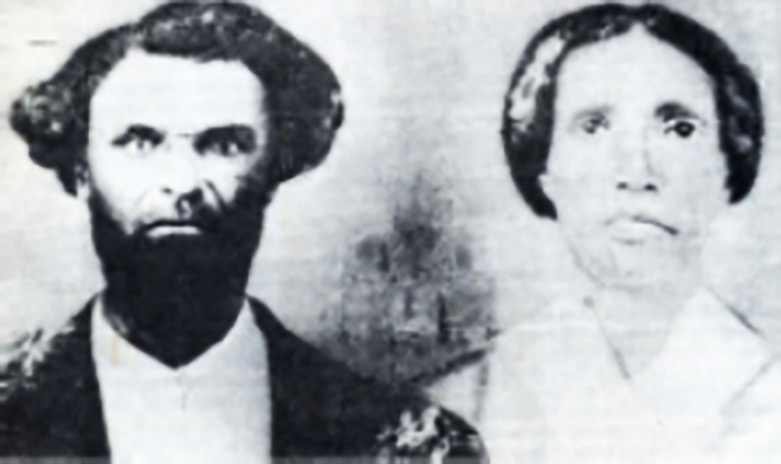
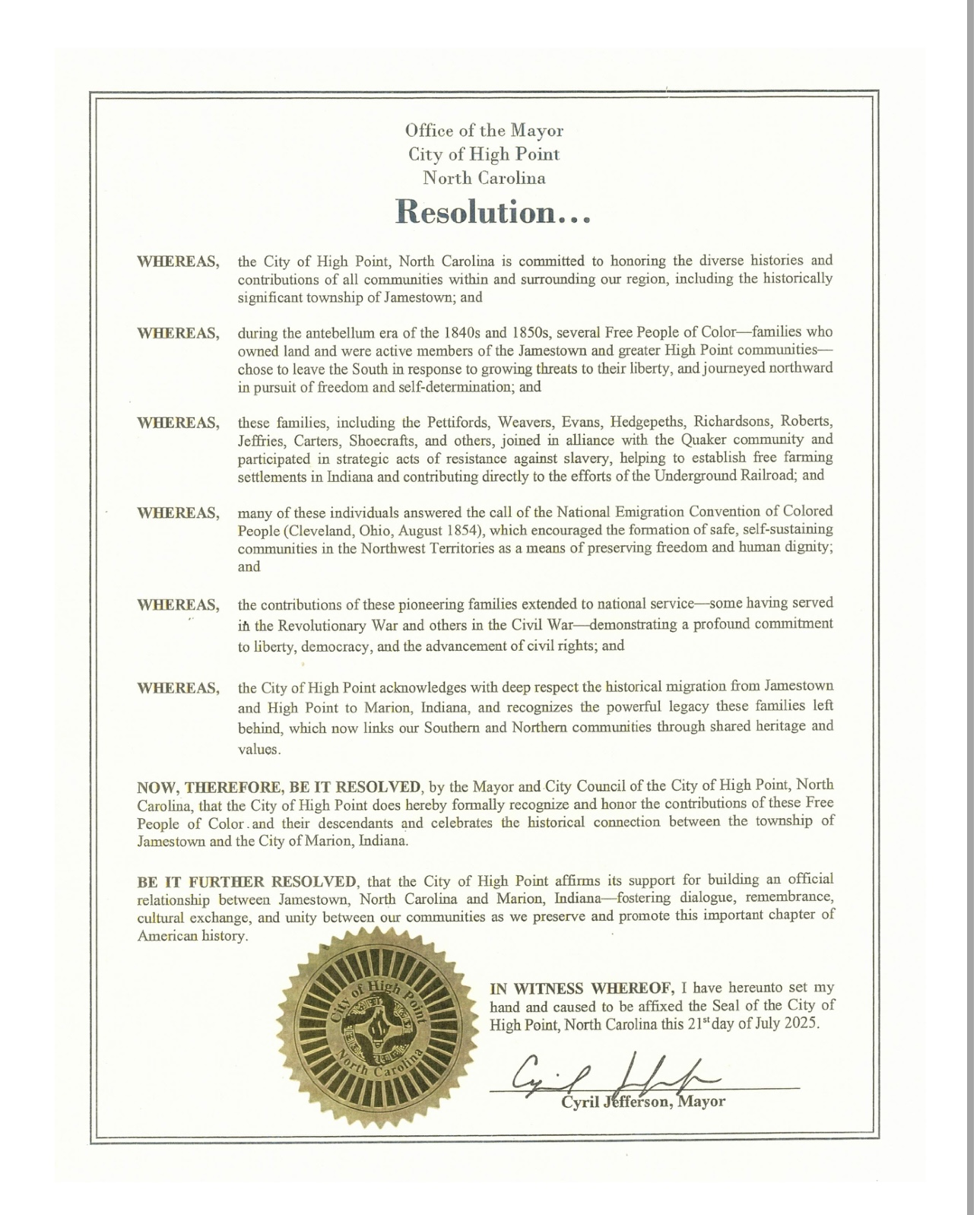
The Jamestown Pioneers (c. 1830s–1850s) were a historic community of Free People of Color — people of blended African, European, Native, and East Indian ancestry — in Jamestown, North Carolina” whose families and extended networks participated in abolitionist and freedom support activities during the antebellum era. Within a region shaped by an active Quaker presence, Free People of Color families and Quaker allies” shared moral opposition to slavery and engaged in efforts to aid freedom‑seeking enslaved people as part of the broader system of clandestine assistance that historians associate with the Underground Railroad in North Carolina. Jamestown’s Quaker communities — including members of the North Carolina Manumission Society and other anti‑slavery advocates — created legal and informal pathways to freedom, negotiating manumissions and facilitating movement northward.
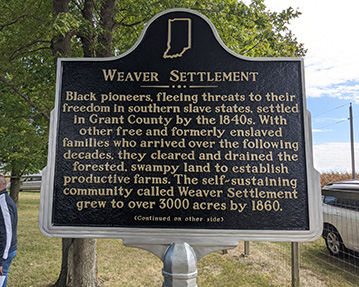
During the mid‑19th century, some descendants and kin of these free families migrated westward into the Midwest, contributing to the establishment and growth of free Black settlements, most notably the Weaver Settlement near Marion, Indiana, beginning in the 1840s. Founded by Free People of Color, including families originally from North Carolina, Weaver became a self‑sustaining community of farms, churches, and businesses and was part of a network of free Black communities that provided refuge and assistance to freedom seekers and formerly enslaved people moving through free states.
Together, the Jamestown Freedom Pioneers and their connected communities reflect the complex social, religious, and migratory landscapes of Free People of Color in the antebellum United States, demonstrating how coordinated local resistance and regional alliances contributed to the broader struggle against slavery.